Sound Systems

As music therapists, there may come a time when you need to set up a sound system, whether it be for a concert one of your groups is putting on or just for a session. There’s not exactly a class that covers sound systems so I’ve put together some step-by-step instructions to help you through it based on a video by Crutchfield. I’ve also included links to the products if you don’t yet have everything you need to set up the sound system. Fair warning, as a music therapy student I have not yet had the pleasure of having to set up a P.A. system but with this information I feel like there’s a good chance I could.

Step 1: The Microphone

As explained in the video, from inputs to outputs, everything starts at the microphone.

https://www.amazon.com/Shure-SM58-LC-Vocahttps://www.amazon.com/Shure-SM58-LC-Vocal-Microphone-Cardioid/dp/B000CZ0R42l-Microphone-Cardioid/dp/B000CZ0R42

Step 2: XLR Cable

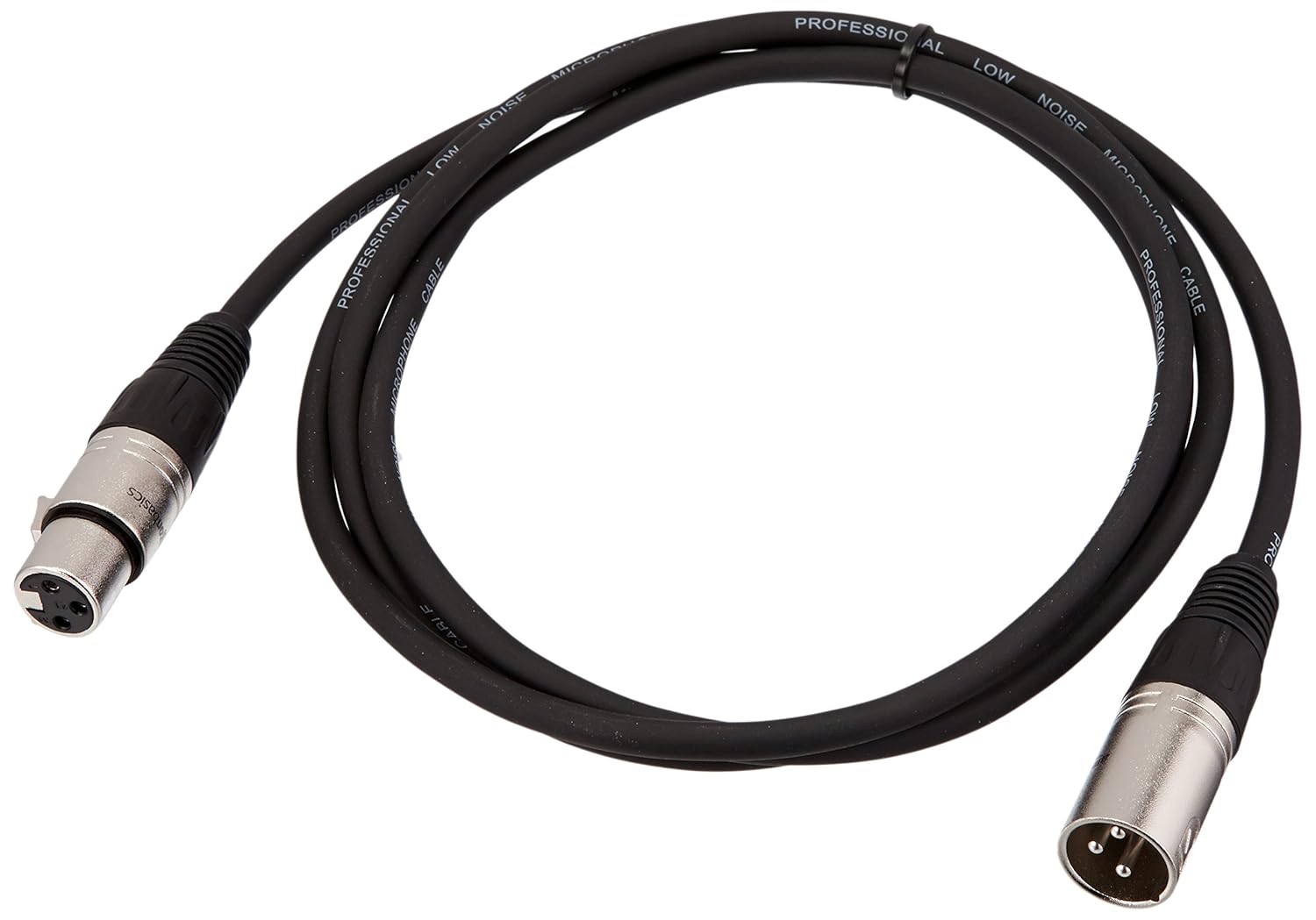
Next, you need to connect the XLR Cable to the microphone
Step 3: Mixer

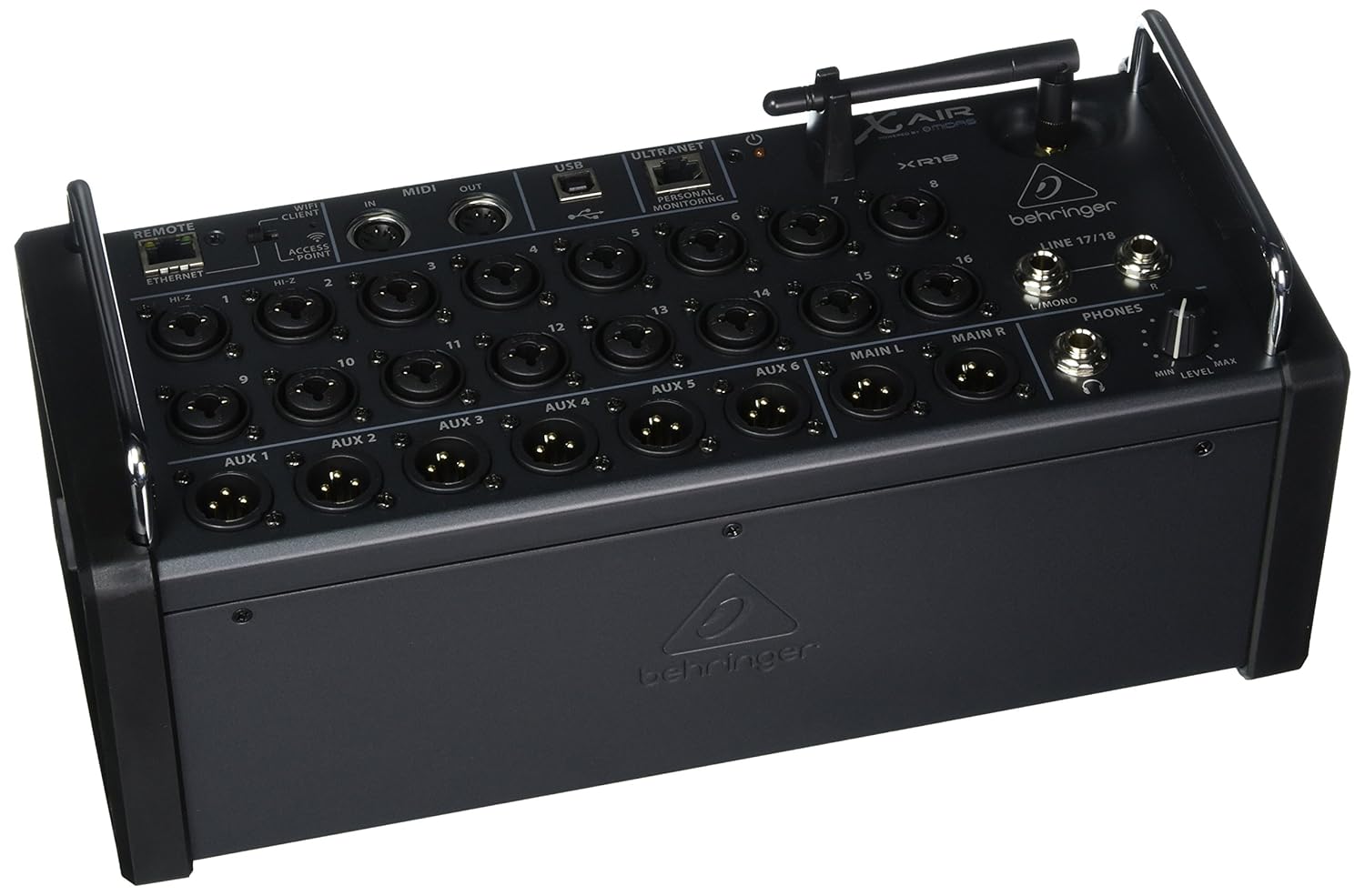
Connect the XLR cable to the mixer. In the video, they use a Behringer XAir which is controlled wirelessly by your tablet.
Step 4: Main Outputs

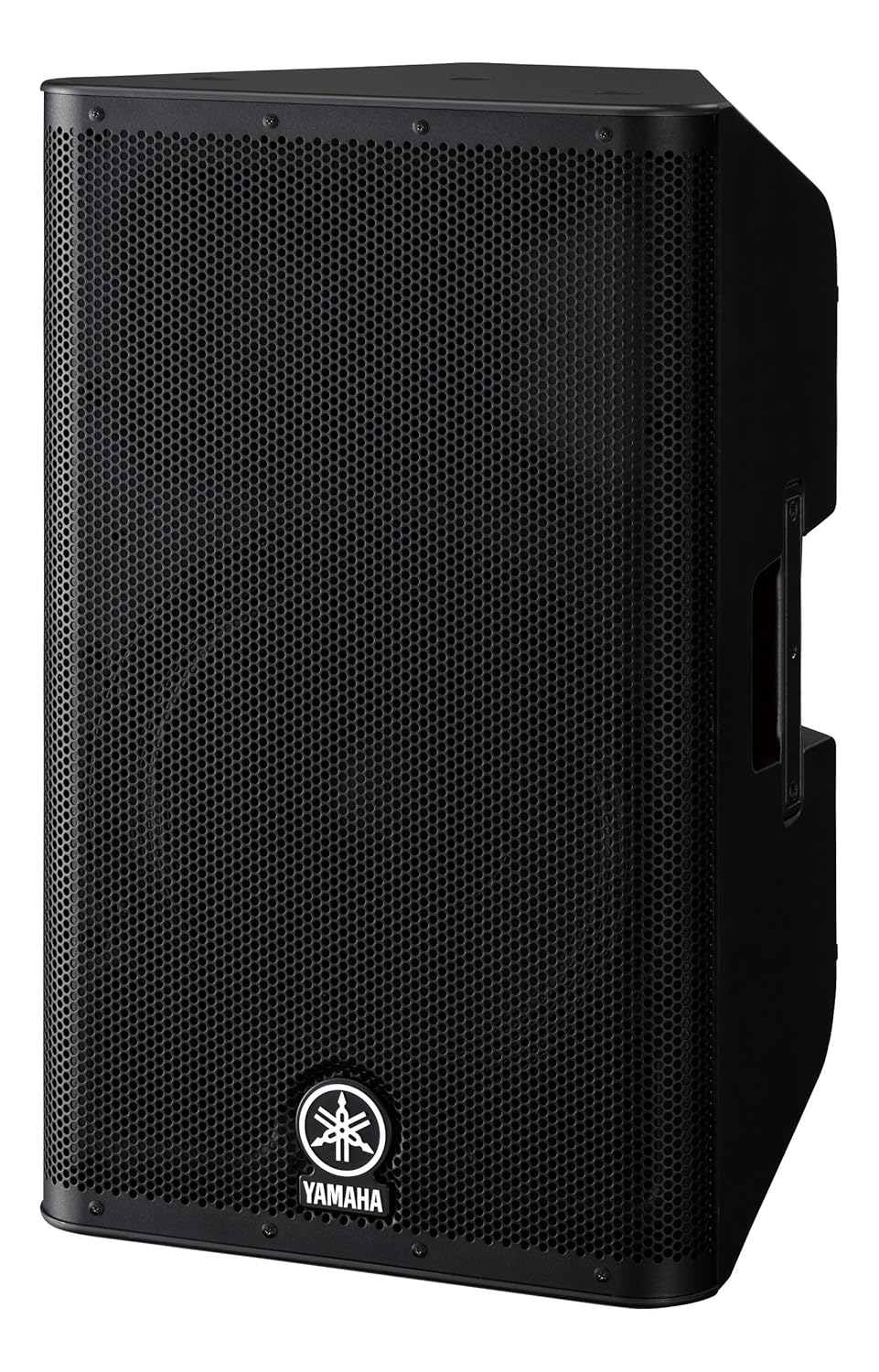
There are two categories of outputs: your main outputs and your auxiliary outputs. The main outputs go to the subs (Yamaha DXS 15) which then connects to the Yamaha DXR 12. You need both the DXS 15 and DXR 12 because the mid/high frequencies come from the top (DXR12) and the low frequencies come from the bottom (DXS 15)

Step 5: Auxiliary Outputs

The auxiliary outputs connect to the monitor speakers.

And repeat! Do this for every microphone you have.

Here’s the video that I got all this information from. He also suggests where you should be placing all these speakers, as well. https://www.youtube.com/watch?v=kArtlyTOKpw#action=share

Tell me about your sound system experiences in the field of music therapy!

Social Media: The Good, the Bad, and the Ugly

Who doesn’t have some sort of social media? Facebook, Snapchat, Twitter, Instagram, Youtube, the list goes on and on. I remember the day I got my first social media, Facebook. It has been tracking much of my life since middle school including all the good, some of the bad, and a little bit of the ugly. Let’s just say, I’m not particularly happy with some of those pictures I was tagged in 10 years ago. So, what are the consequences of having your life on display for the whole world to see, other than embarrassment?

Image result for social media

As I’m starting the transition into the professional world, there are a lot of things to consider. One big one is how do I come off to other professionals in my field and potential clients. It is so easy nowadays to google anyone and find out everything you may or may not want to know. That’s why it’s more important now than ever to guard your social media and to put only your best self out there. Scott Sterling gives some tips on how to navigate the minefield of responsible social media use as a teacher (this easily applies to therapists too). He first suggests googling yourself often to see what other people can find out about you. While there may not be a lot you can do about it if you find something you don’t like, at least you’ll be aware of it. And in the future you can filter yourself by asking, “Would I mind parents seeing this?”. I think you can expand that beyond parents to coworkers and clients as well. Sterling also suggests locking down your Facebook account. You may not be able to stop someone from tagging you in an embarrassing post or picture but you can change your settings so that only friends can see it. With that in mind, make sure you’re selective in choosing who your friends are. Maybe having coworkers as friends isn’t the best idea.

Another form of social media that Sterling suggests staying away from is free dating apps like Tinder and OK Cupid. There have been instances where students have found their teachers on these sites then catfished them, setting up a fake account and getting involved with their teacher. This is not only embarrassing but can “cross the line into illegal territory”. While there are several ways in which social media can be bad for you as a professional there are circumstances where it is actually good.

You can leverage social media to promote yourself. For private practices especially social media can be used to promote their practice and find new clients. One positive form of social media that I take part in is a closed Facebook group called “Music Therapists Unite!”. There are 6.4k members in this group including credentialed music therapists, interns, and students from around the world. Members share special moments from their sessions, share advice about specific interventions and populations, and post job openings. As a student, it’s a great window into what sort of problems I’ll be facing and the solutions to those problems. It’s just a great resource for the whole community.

https://blog.learningsciences.com/2016/09/13/a-teachers-responsible-social-media-presence/

How do you use social media for your music therapy practice?

Music Copyright

Copyright laws have been around for a long time, since 1710 actually. But why do we have them? Originally copyright was a contract between the author and society, the author agrees to continue to make more things and society won’t copy it. The whole purpose was to promote the creation of more books and movies (originally music wasn’t included). However, newer copyright laws have subverted this intent.

Some people claim that the current copyright term is too long and authors don’t benefit from copyright terms that extend beyond their death. That because of the strict laws, we lose the opportunity for new creative renditions of already great works like Star Wars or Harry Potter. But there are arguments that support the expanding of copyright protections.

One argument for the expansion of copyright protections is that the larger payoff from longer terms may encourage publishers to take risks on new authors. It also supports heirs, so once the author dies the family still reaps benefits. And as mentioned earlier, original copyright didn’t include music and recordings, now musicians benefit from copyright protections as well. And now there are performance royalties, today composers receive royalties when their works are performed.

  1. Purpose and character of use, including whether such use is of a commercial nature or is for non-profit educational purposes
  2. Effect of the use upon the potential market for or value of the copyrighted work
  3. Amount and substantiality of the portion used in relation to the copyrighted work as a whole
  4. Nature of the copyrighted work

“Fair use is intended to serve some productive, publicly beneficial purpose, such as criticism, parody, teaching, or research” (soundscapemusictherapy). Music therapy seems like it would fall under this because it’s all about helping people, that’s certainly a beneficial purpose. Unfortunately, music therapy is not specifically addressed in copyright law so it’s determined on a case-by-case basis in court.

A question that is often asked is “is copyright law fair?” I think that’s for each person to determine on their own but here’s my opinion. I believe that it is fair. Currently a work is copyrighted until the owner’s death plus 70 years. While this does not benefit the owner directly after they die, I think it’s great that their children can benefit from their hard work. Copyright laws are strict and as someone who uses other people’s works I don’t benefit from them but what if one day I write my own music? Then of course I would want all the protections copyright has to offer. People work hard to create their own works, I think they deserve those protections.

https://libguides.library.umkc.edu/music-copyright
https://soundscapemusictherapy.com/2010/10/14/copyright-issues-for-music-therapists-part-three-infringement-fair-use-and-licensing/?fbclid=IwAR1Ldp0rxDqXgV6HRxWsyw5-kvpAXXsTCAF53zZ6zo7DsR7-5SHsJpkT_Fw

What do you think? Is copyright law fair?

How does copyright affect music therapy? We play familiar copyrighted songs to patients all the time so how do we avoid copyright infringement? The answer lies in using the material in a manner that falls under the fair use doctrine or to secure licensing rights from the copyright holder. Fair use gives people a limited privilege to use a copyrighted work without the owner’s consent and without paying royalties. There are four main factors that are considered when determining fair use:

iPads and Music Therapy

My last blog post discussed the trends in technology and how it impacts our profession. One important piece of technology is the iPad. iPads are practically everywhere, people use them to check their social media, read books and magazines, watch videos, and listen to music. Music therapists have successfully jumped on the iPad bandwagon and incorporated this useful piece of technology into their practices. This post will talk about some of the uses for iPads, some helpful apps, and an example of how iPads are used in a Bronx nursing home.

On musicandmemory.org, there’s an article titled, “Frontiers of Music Therapy: How iPads are Transforming a Bronx Nursing Home”. The author, Benedikte Scheiby, a music psychotherapist, discusses how she uses iPads with her clients. A lot of their residents at the nursing home suffer from poor fine and gross motor skills with tremors, muscle weakness, or paralysis which make it difficult for them to play an acoustic instrument. With the help of an iPad, they are able to simply tap or swipe their hand and play almost any instrument they want. Garageband offers an array of instruments that residents can use to compose and record music, creating a vehicle for creative expression which they can save and feel proud of.

Youtube provides several opportunities for residents. Besides using Youtube for listening to music from “the good old days” that reminds them of their past and which they can sing along to, it can be used to post their own original compositions that family members and everyone can view. Scheiby says, “These shared projects are exciting for the residents and proof that that life is not over in a nursing home.” Here’s an example of one such video:

Simply listening to familiar music has many therapeutic benefits. These include reminiscing, moving to music, working on speech through song, short term and long term memory, and more. Apps that can facilitate this listening include Youtube, Pandora Radio, and Spotify. They can also use apps such as Nature Sounds, and Stress Free Music, to listen to relaxing music when they’re feeling anxious or need help sleeping.

The last couple apps I’m going to mention are Skype and FaceTime. These are both free applications that enable residents to video-chat with friends and family, bringing loved ones together. Video-chatting can minimize “feelings of isolation and fears of being forgotten”.

All of these apps are only a few of the many that can be used in music therapy. Here are a few more apps that can be used with many different populations:

  • Tun-dfree: A tuning application. It’s great because it provides tuning for almost any instrument you can think of.
  • MelodicaFree: A loop machine with preset sounds. You have control of creating the sound scape by touching the grid.
  • Singing Fingers: A really cool art program . You drag your finger on the screen while saying something and it records what you say in color. Then drag your finger over the design for playback.
  • Shiny Drum: A drum pad
  • ZoozBeat: This is awesome! It comes with 15 or so preset loops with many genres. Select a loop then you are able to play 6 different instruments to add to the loop sound by shaking the iPad. 
  • Dub Selector: Interactively dub music applications.
  • NLogFree: A synthesizer with tons of presets.
  • Thumbafon: A mode instrument
  • Glee: Smule makes this app. It’s great for karaoke or free singing, plus includes auto-tune and harmony selectors.
  • aXylophone: A xylophone
  • Magic Piano: Smule produces this as well.
  • Digidrummer: Another drum pad app. If you buy GarageBand then you won’t need these free drum apps.

Games:

  • I Say Free: This is like Simon from the 80’s. It’s great for memory, strategic planning, and cognition.
  • RubyRepeat: A more complicated form of I Say Free.
  • Angry Birds: For problem solving (cognition)
  • Soundrop: A music app that uses velocity of a dropping ball to change the pitch of the sound.
  • Circadia: A sound strategy game.
  • Talking Gina: A giraffe that can repeat what you say. Kids love it. There are also a ton of these types of apps featuring a cat and a dog.

Sources:
https://musicandmemory.org/blog/2013/02/07/frontiers-of-music-therapy-how-ipads-are-transforming-a-bronx-nursing-home/
http://www.musictherapymaven.com/guest-post-essential-ipad-apps-for-music-therapists/

What are some apps that you use in your music therapy practices?


Technology Trends in Music Therapy

Technology is an integral part in todays society. We use technology every day in one way or another, whether it be just to call a friend on the phone or to write a blog post on a laptop. With the instrumental impact technology has on our lives, we would be remiss to exclude it from our music therapy practice.

As a music therapy student, I have only had a couple semesters of clinicals so far, and yet I have used technology so often. Last semester I worked with a group called “Forever Young Choir”. While working with them, in every session I used technology to display the lyrics of the songs we were learning on the projector and during our performance, we used lots of technology with the electric instruments

Katie Myers, a music therapist at Levine Music, talked about how technology is integrated in music therapy with children, in her podcast, Music Therapy: The Intersection of Play and Technology. In may come as no surprise that 71% of music therapists incorporate technology in some way into their interventions on a daily basis (Myers). What I want to know is why and how.

One reason to include technology in music therapy interventions is that technology “capitalizes on a genetic bias that the human brain has towards visually presented information” (Myers), creating a more stimulating experience. However, technology by itself is quite lacking. According to Myers, “…technology can be very passive, lacking in social, emotional, cognitive, and motoral experiences that are crucial to development”. That’s where music therapy comes in. Music therapy is where we can combine “experiential interactive learning” (play) with “visual aural stimulation” (technology). So how do we incorporate technology?

In recent years, several scholarly articles have been published “exploring specific evidence based strategies for integration into music therapy practice” (Myers). A couple examples include “active music making with instruments or singing can be incorporated into digital stories or movies for enhanced attention and sensory stimulation” (Myers). Imagery from movies and other digital stories can “be supported by appropriate musical selections to define the emotional and social context of story content” (Myers). Lastly, “recorded music can be used to facilitate relaxation so that the therapist can assist young children in pairing the music with yoga or stretching for relaxation” (Myers). These interventions are only a few examples, there are so many more ways in which technology can be used in music therapy interventions.

Myers’s closing statement is this, “Music therapy bridges the gap between play and technology by providing the important components of active engagement and sustained attention that are lacking in digital media”. That’s why I believe in the next several years, all music therapists should get accustomed to using technology in their practice in one way or another.

How do you use technology in your music therapy practice?

Myers, K. (2017, September 1). Music Therapy: The Intersection of Play and Technology. Retrieved from www.imagine.musictherapy.biz

The Journey Begins

Welcome!

My name is Celina, I’m a music therapy major at the University of Missouri-Kansas City. This blog was built to gather a collection of ideas and topics related to music therapy and my journey as a student. My hope is simply to inspire others, whether they are pursuing music therapy as a career or are just curious as to what we do.

Good company in a journey makes the way seem shorter. — Izaak Walton

The journey I’m on started 7 years ago when I first heard about music therapy. As a freshman in high school I knew that music was my passion, the human brain was fascinating to me, and above all, I wanted to help people. My mom suggested I google careers in music and the brain to see what options were out there for me. When I found music therapy in a list of different careers, I knew I had to learn more. I visited the American Music Therapy Associations website (www.musictherapy.org) to learn more about what music therapy is and that is how this love story begins.

Ever since then, I have been in love with music therapy. Junior year of high school I started researching what steps I had to take to become a music therapist and subsequently, schools that provided an undergraduate degree in music therapy. Senior year, I was accepted into UMKC’s music therapy department and was beyond thrilled. Choosing UMKC was the first big step I took on my journey and it was a daunting choice. I remember being terrified that I would pick the “wrong” school but I went with my gut and am so grateful I did. I realize now that there was no “wrong” choice, if I had picked a different school it may have led me down a somewhat different path but that path would still lead me to studying what I’m passionate about.

I’m now in my second semester of my third year at college and it has been an amazing, sometimes stressful, but constantly rewarding journey and I can’t wait to see where I go next.